What can a single day of scientific observations reveal about the health of the Hudson River? Mahopac High School students explored that question during the annual “Day in the Life of the Hudson and Harbor,” joining students and educators from across the region to study the river and contribute data to a collaborative environmental research effort.
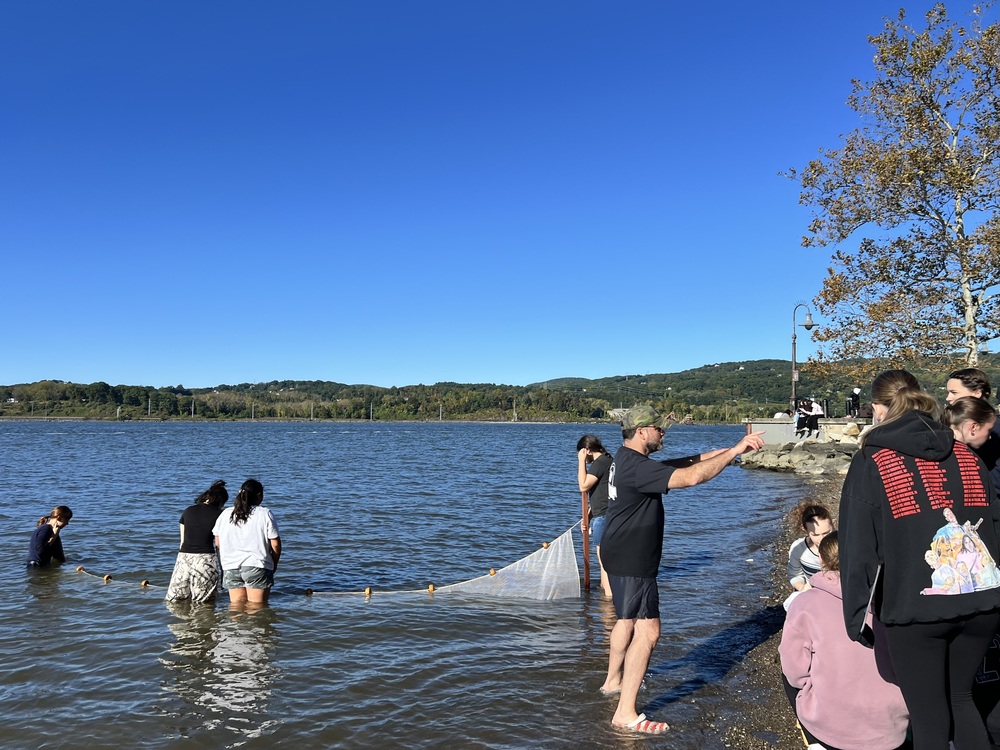
Accompanied by science teachers Scott Rizzo and Rob D’Alessandro, students traveled to the waterfront in Verplanck, New York, where they investigated the river’s ecosystem through hands-on fieldwork. The annual event brings together more than 5,000 students and educators at approximately 90 sites, creating a snapshot of the Hudson’s ecology from one day of coordinated observations.
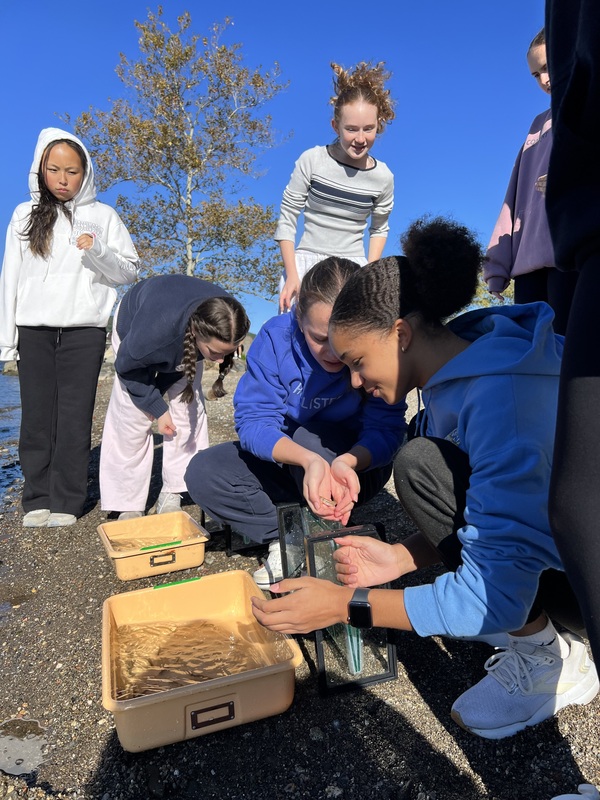
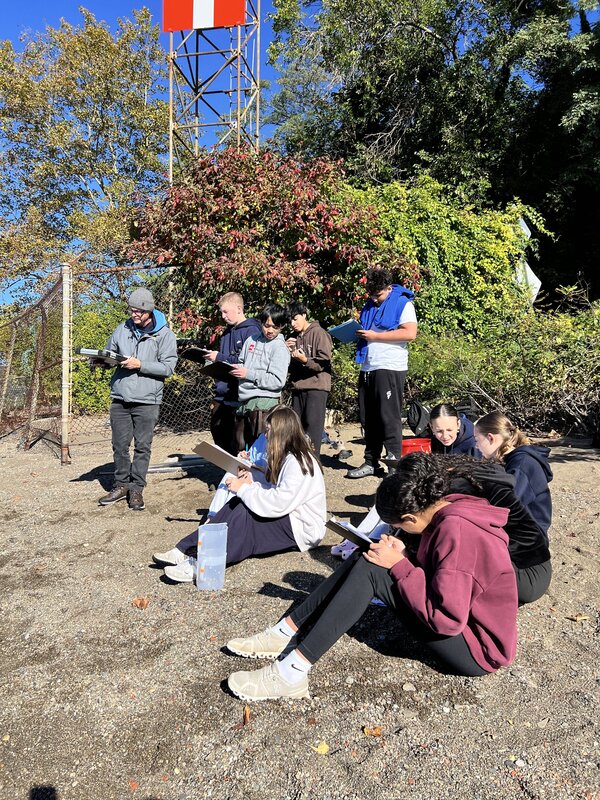
Students examined the river from several scientific perspectives. Using seine nets, they collected and identified fish and other aquatic organisms. They also tested water samples for chemical indicators, including pH and salinity, and observed physical characteristics of the river environment. Together, these investigations helped students explore the relationships among water quality, habitat and the organisms that depend on the Hudson.
The field study is part of a larger collaborative effort coordinated by the New York State Department of Environmental Conservation, in partnership with the Hudson River National Estuarine Research Reserve and Lamont-Doherty Earth Observatory of Columbia University. Participating schools share their findings, allowing students to compare observations from different locations and develop a broader understanding of the Hudson River and its watershed.
For Mahopac students, the experience offered an opportunity to put classroom science into practice. Collecting and interpreting real-world data helps them develop scientific observation and data analysis skills while exploring questions about the environment close to home.
By contributing their findings alongside students from communities throughout the region, Mahopac’s young scientists become part of a collective effort to understand and appreciate one of New York’s most important natural resources.